

Becoming a parent introduces you to a long list of decisions, and many of them feel surprisingly important. From choosing a stroller to deciding how your baby will sleep, every little choice can seem like it carries weight. One of the early decisions many parents face is whether to use disposable diapers or switch to cloth diapers.
If you’ve already decided to go with cloth diapers, congratulations—you’ve chosen a path that many parents consider both eco-friendly and economical. But shortly after making that decision, another question often pops up: “How many cloth diapers do you need?”
It’s a simple question, yet the answer depends on several factors, including your baby’s age, your laundry routine, your budget, and the type of cloth diaper you prefer. In this guide, I’ll walk you through the most important things to consider when building your cloth diaper stash and share some insights based on real parenting experiences.
Important Things to Think About Before Buying Cloth Diapers
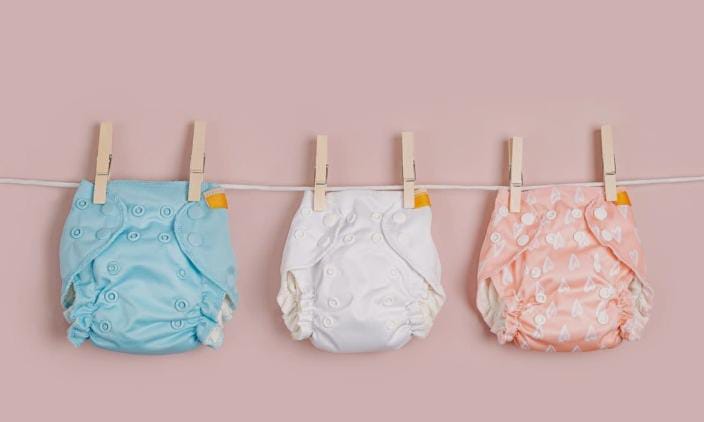
Choosing cloth diapers isn’t just about grabbing a stack and hoping they work. To make cloth diapering convenient rather than stressful, you need to think about a few practical details ahead of time.
1. Your Baby’s Age and Size
Babies grow quickly during their first year, and their diaper needs change as they develop. Cloth diapers are designed in different sizes to accommodate these changes.
A diaper that fits well is essential. If it’s too large, it may leave gaps around the legs or waist, which often leads to leaks. On the other hand, if it’s too tight, your baby may feel uncomfortable and the diaper may not provide proper coverage.
When I first looked into cloth diapering, one of the things that surprised me was how quickly babies outgrow the smallest sizes. Many parents start with newborn-sized cloth diapers for the first few weeks, then transition to one-size diapers that grow with the baby.
The key takeaway here is simple: fit matters more than quantity. Having many diapers that don’t fit well won’t make diapering easier.
2. Your Budget
Although cloth diapers are widely known for saving money in the long run, the initial cost can feel a bit intimidating.
Buying several cloth diapers at once—along with inserts, liners, and wet bags—requires some upfront investment. Prices vary depending on the brand, materials, and style of diaper.
However, when you compare the long-term costs, cloth diapers often come out far cheaper than disposable ones. Disposable diapers are used once and thrown away, which means parents continue buying them every week for years.
Cloth diapers, on the other hand, can be reused hundreds of times. With proper care, many families even use the same diaper stash for more than one child.
From my perspective, this long-term value is one of the biggest advantages. While the beginning cost might feel higher, it often pays for itself within the first year.
3. Ease of Use
Another factor that influences how many cloth diapers you might need is the type you choose. Cloth diapers come in several styles, each offering different levels of convenience.
Some of the most common options include:
- Prefold diapers: Traditional cloth pieces that require folding and fastening.
- Pocket diapers: Diapers with a pocket where you insert absorbent pads.
- All-in-one diapers: Diapers where the absorbent layer is already attached.
Prefolds are often the most affordable option, but they require a bit more effort when changing diapers. Parents who enjoy simplicity and traditional methods sometimes prefer them.
All-in-one diapers, on the other hand, are designed to be as easy as disposable diapers. You simply put them on and remove them when they’re soiled. Because of this convenience, many new parents gravitate toward them. In my opinion, the best system is the one that fits your daily routine. Some parents love the simplicity of prefolds, while others prefer the convenience of all-in-ones.
Cloth Diapers vs Disposable Diapers
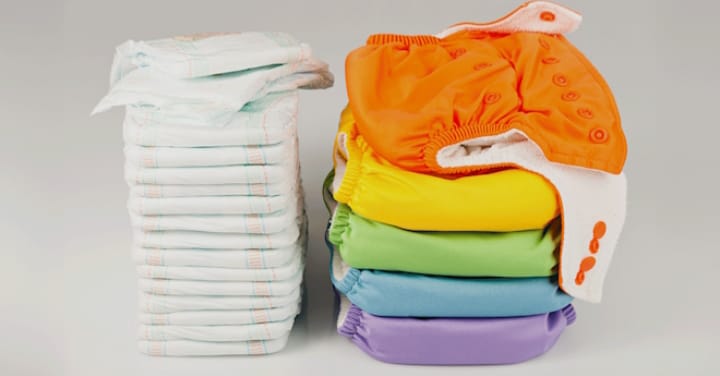
Before we talk about quantities, it helps to understand why many parents choose cloth diapers in the first place.
Cost Savings Over Time
One of the strongest arguments in favor of cloth diapers is the financial benefit.
While disposable diapers might seem cheaper initially, the costs accumulate quickly. Babies go through thousands of diapers during their early years, and buying disposable packs week after week adds up.
Cloth diapers, however, are reusable. After washing them, they’re ready to be used again. This simple difference often leads to significant savings for families.
Many parents find that once they have built their cloth diaper stash, the only ongoing costs are water, detergent, and electricity for laundry.
Lower Environmental Impact
Another major reason parents consider cloth diapers is their environmental impact.
Disposable diapers contribute heavily to landfill waste. Because they contain plastic components and synthetic materials, they can take hundreds of years to break down.
Cloth diapers offer a reusable alternative. While washing them does use water and energy, they still produce far less waste overall.
For parents who care about sustainability, cloth diapering often feels like a meaningful step toward reducing household waste.
Comfort and Health for Babies
Babies have delicate skin, and what touches their skin all day matters.
Many cloth diapers are made from natural fabrics like cotton or bamboo, which allow better airflow. This breathability can help reduce moisture buildup and lower the risk of diaper rash.
Disposable diapers sometimes contain fragrances or chemicals that may irritate sensitive skin. While many modern brands are safe, some parents still prefer the simplicity of natural fabrics.
In my experience, babies in breathable diapers tend to stay more comfortable, especially in warm climates where overheating and moisture can be a problem.
Cloth Diaper Usage by Age
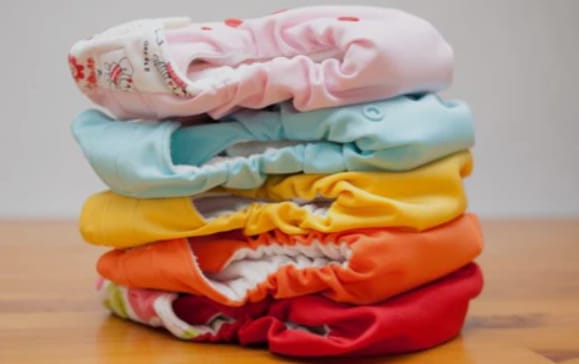
Now let’s address the main question: how many cloth diapers do you actually need?
The answer depends largely on your baby’s age because diaper usage changes significantly as babies grow.
Newborn Stage
During the first few weeks of life, babies require frequent diaper changes. Newborns have tiny bladders and unpredictable bathroom habits.
Most newborns need a fresh diaper every 2 to 3 hours, sometimes even more frequently.
This usually means:
- 8 to 12 diaper changes per day
If you plan to wash diapers every two days, you’ll typically need around 20 to 24 cloth diapers for the newborn stage.
Some parents prefer having a few extra to avoid running out during busy days.
Infants (6–12 Months)
As babies grow, their bladder capacity improves and diaper changes become slightly less frequent.
At this stage, most babies need:
- 6 to 10 diapers per day
Babies may begin sleeping longer stretches at night, which slightly reduces diaper usage.
Parents often find that 18 to 20 diapers are sufficient if laundry is done every two to three days.
Toddlers (18 Months and Older)
Once children reach the toddler stage, many begin showing early signs of potty training readiness.
They gain better control over their bodily functions, which reduces diaper usage.
Typical diaper needs at this stage include:
- 4 to 8 diapers per day
Many toddlers only need diapers during naps or nighttime as potty training progresses.
At this point, a stash of 12 to 16 diapers is often enough for most families.
A Quick Reminder
These numbers are only general guidelines.
Every baby is different, and factors like diet, metabolism, and health can affect how frequently diapers need to be changed.
Some babies also potty train earlier than others, which naturally reduces diaper use sooner.
The best approach is to observe your baby’s routine and adjust your diaper stash accordingly.
Tools That Can Help Estimate Diaper Needs
Some websites provide online tools that estimate diaper usage based on your baby’s age and washing routine. Tools like this can give a rough estimate of how many diapers you might need each day.
Still, keep in mind that calculators can’t perfectly predict real-life parenting. Babies have their own schedules, and parents often adapt their routines over time.
How to Properly Wash Cloth Diapers
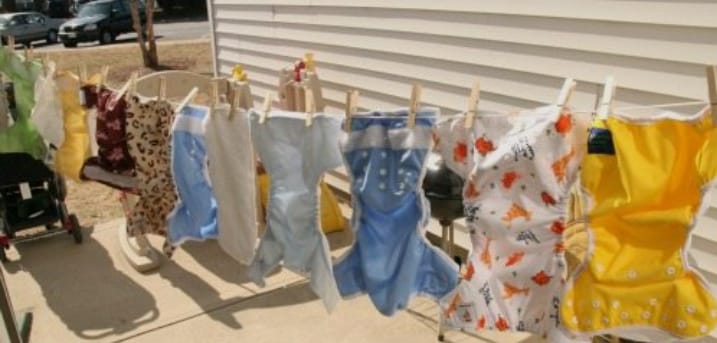
Cleaning cloth diapers might sound complicated at first, but once you get used to the routine, it becomes surprisingly simple.
Step 1: Prepare the Diapers
Before putting diapers into the washing machine, you’ll need to remove any solid waste.
If your baby is exclusively breastfed, this step may not be necessary because breast milk stool dissolves easily in water.
For older babies eating solid foods, you can shake or rinse waste into the toilet.
Step 2: Rinse the Diapers
Many parents start with a quick rinse cycle.
This helps remove leftover urine and debris before the main wash, preventing stains and odors from settling into the fabric.
Step 3: Do a Hot Wash
After rinsing, run a full wash cycle with hot water and a detergent suitable for cloth diapers.
Hot water helps eliminate bacteria and keeps the diapers hygienic for reuse.
Always follow the manufacturer’s instructions for both the detergent and the diapers to ensure they last as long as possible.
Final Thoughts
Cloth diapering can feel overwhelming at first, especially when you’re trying to figure out exactly how many diapers you need.
But once you understand your baby’s routine and find a washing schedule that works for you, the process becomes much easier.
For most families, having 20 to 24 cloth diapers provides a comfortable starting point, especially if laundry is done every couple of days.
From there, you can always add more or reduce your stash depending on your needs.
Personally, I think cloth diapering is one of those parenting choices that rewards patience. It might take a little time to learn the system, but the long-term savings, environmental benefits, and comfort for your baby make the effort worthwhile.
And as many parents eventually discover, once cloth diapering becomes part of your daily routine, it starts to feel completely natural.
Please share your feedback in the comment section below 👇 telling us what you feel about our services