

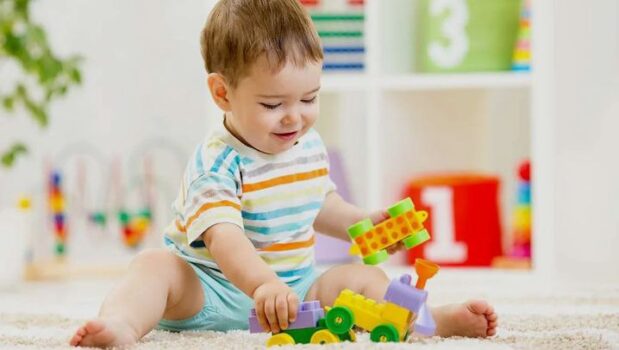
The first few months of a baby’s life are incredibly important. During this stage, a newborn is slowly beginning to experience the world outside the womb. Everything is new to them — light, sounds, touch, faces, and even movement. As parents or caregivers, we often want to give our babies the very best start possible. One question that frequently comes up is whether newborns actually need toys for their development.
From my personal experience and observation around babies, the answer isn’t a simple yes or no. Newborns don’t necessarily “play” with toys the way older babies or toddlers do. However, the right toys can still play a meaningful role in helping them explore, learn, and grow during those early months.
Let’s take a closer look at why toys can be helpful for newborns, what kinds of toys are most suitable, and how parents can make the most of playtime with their little ones.
Understanding the Newborn Stage
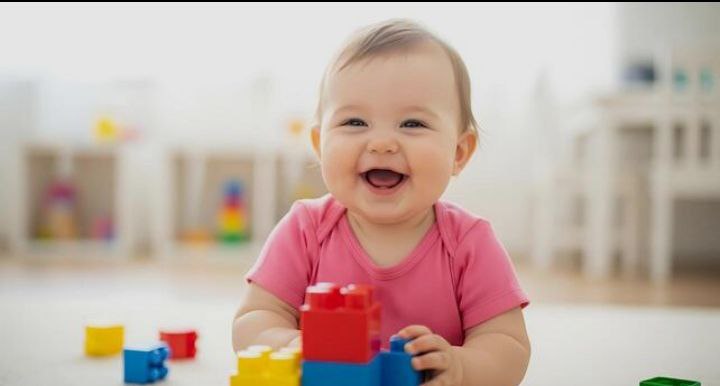
A newborn enters the world with very limited abilities. They cannot sit, crawl, or grab objects properly yet. Their vision is still developing, their muscles are weak, and their brain is just beginning to process information from the outside world.
At this stage, babies mostly sleep, feed, and observe their surroundings. But even though it may seem like they are not doing much, their brains are actually working overtime. Every sound they hear and every face they see is helping their brain build important connections.
This is where toys can become useful. Toys provide gentle stimulation that encourages babies to notice things around them. Even something as simple as a patterned toy or a soft rattle can capture a newborn’s attention.
In my experience, babies don’t need dozens of toys. Sometimes the simplest objects are enough. What really matters is choosing toys that support their natural development rather than overwhelm them.
Why Toys Can Be Beneficial for Newborns
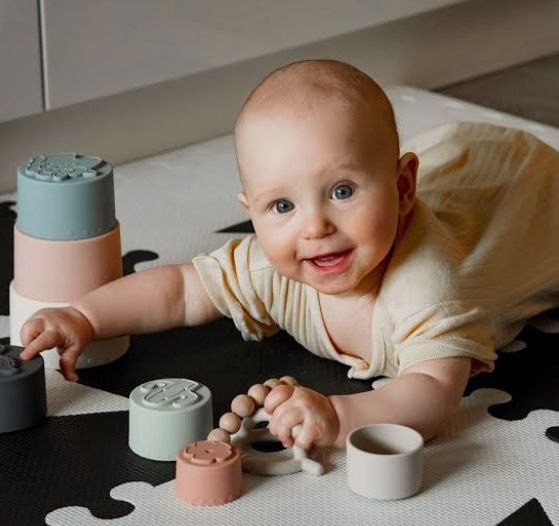
Although toys are not strictly necessary, they can offer several benefits for a newborn’s growth and learning process.
1. Sensory Development
Newborn babies rely heavily on their senses to understand the world. At birth, their eyesight is still blurry, and they tend to focus best on objects that are close to their face.
Toys with high-contrast colors such as black and white are especially helpful because they are easier for babies to see. Bright patterns and bold shapes can grab their attention and encourage them to focus.
Textures also matter. Toys with different surfaces — soft, smooth, or slightly bumpy — stimulate a baby’s sense of touch. When babies feel different textures, their brains begin to learn how to process sensory information.
Soft rattles or toys that make gentle sounds can also stimulate hearing. From what I’ve noticed, babies often turn their heads toward soft noises, which helps strengthen their awareness of sound.
2. Cognitive Development
Cognitive development refers to how babies learn, think, and understand things.
Simple toys can encourage babies to explore their environment. Even if they can’t grab objects yet, they still observe them closely.
For example, a toy that moves slightly or makes a sound when touched can spark curiosity. Babies start learning that their actions can cause things to happen. That tiny realization is actually a big milestone for their brain development.
As babies grow older, toys that involve simple cause-and-effect actions — like squeezing or pressing — can strengthen their thinking skills.
From my perspective, toys that encourage curiosity are always more valuable than toys that simply entertain.
3. Social and Emotional Development
Newborns may not be able to play with others yet, but playtime still supports their social development.
Many toys encourage interaction between the baby and the caregiver. For example, simple games like peek-a-boo or showing a soft doll to the baby can help encourage eye contact and emotional bonding. In reality, babies often care more about the person playing with them than the toy itself. A parent’s voice, facial expressions, and touch play a huge role in helping the baby feel safe and connected.
In my opinion, toys should be seen as tools that support bonding rather than replacements for human interaction.
Types of Toys That Are Good for Newborns
Not all toys are suitable for newborn babies. The best toys for this stage are simple, safe, and gentle.
Here are some common types that tend to work well.
Soft Plush Toys
Soft toys are usually the first toys many babies receive. They are gentle, comforting, and safe for newborns.
These toys can also provide emotional comfort as babies grow older. Many children eventually develop attachment to a particular stuffed toy that makes them feel secure.
High-Contrast Visual Toys
Because newborn vision is still developing, toys with black-and-white patterns or strong color contrasts are ideal.
These toys help babies practice focusing their eyes and tracking objects. Over time, this supports visual development.
Musical or Sound Toys
Toys that produce soft music or gentle sounds can be calming for babies.
Lullabies, soft rattles, or white-noise toys can help soothe a baby during quiet moments. However, the sounds should always be gentle and not too loud.
In my experience, babies respond very well to soft rhythmic sounds.
Textured Toys
Toys with different textures help babies explore through touch.
Some toys may have soft fabric, smooth plastic, or slightly crinkly materials. These differences help stimulate the baby’s tactile senses.
Teething Toys
Although newborns do not start teething immediately, teething toys become useful as babies grow a few months older.
These toys are designed to soothe sore gums when the teething stage begins.
Tummy Time Toys
Tummy time is an important activity for babies. It involves placing the baby on their stomach for short periods while they are awake.
This helps strengthen their neck, shoulders, and back muscles. It also prevents flat spots on the back of the baby’s head.
Toys designed for tummy time often include bright colors, mirrors, or textures that encourage the baby to lift their head and look around.
Sensory Toys
Sensory toys are specifically designed to stimulate multiple senses at once.
They may include bright colors, various textures, gentle sounds, or different materials. These toys encourage exploration and help babies develop coordination over time.
Developmental Toys
Some toys are designed to encourage early motor skills. For example, toys with easy-to-grasp handles help babies practice holding objects once they begin developing hand control.
These toys support both fine motor skills and hand-eye coordination.
Homemade Toys Can Work Too
You don’t always have to buy expensive toys for a newborn. In fact, some of the best toys can be simple homemade creations.
For example, parents can create high-contrast cards using black and white paper. Soft fabric squares or safe household objects with interesting textures can also capture a baby’s attention.
The key point is ensuring the materials are safe, clean, and free from small parts.
Personally, I think simple DIY toys can be just as effective as store-bought ones, especially when parents use them creatively during playtime.
When Should Babies Be Introduced to Toys?
Newborns can be exposed to toys very early, even during the first few weeks of life. However, they won’t actively grab or play with them yet.
Instead, toys should be used as gentle visual or sensory stimulation. For example, a parent might show a high-contrast toy during tummy time or shake a soft rattle nearby.
The most important thing is not to overwhelm the baby. Too many toys or loud, flashy items can actually overstimulate them.
Keeping things simple usually works best.
The Important Role Parents Play in Playtime
Even though toys can support development, parents and caregivers are still the most important part of a baby’s growth.
Bonding Through Play
Playtime creates opportunities for connection. Talking to your baby, smiling, and making eye contact all help build emotional bonds.
Babies may not understand words yet, but they respond strongly to voices and facial expressions.
Choosing the Right Toys
Parents should always select toys that are safe and suitable for the baby’s age.
Avoid toys with small detachable parts, sharp edges, or loud noises. Soft, lightweight toys are usually the safest choice for newborns.
Supervising Playtime
Babies should never be left alone with toys without supervision.
Even toys designed for infants can become unsafe if they are used incorrectly or placed too close to the baby’s face.
Keeping an eye on the baby during playtime ensures both safety and meaningful interaction.
Final Thoughts
Newborns do not necessarily need toys in the same way older children do, but the right toys can certainly support their early development.
Simple toys can stimulate the senses, encourage curiosity, and create opportunities for bonding between babies and caregivers.
However, from my experience, the most valuable thing a newborn truly needs is human interaction. A parent’s voice, touch, and attention often mean far more than any toy ever could.
Toys should simply act as helpful tools that support exploration and learning.
When used thoughtfully, they can make those early months even more engaging and enjoyable for both babies and parents.
Please share your feedback in the comment section below 👇 telling us what you feel about our services