

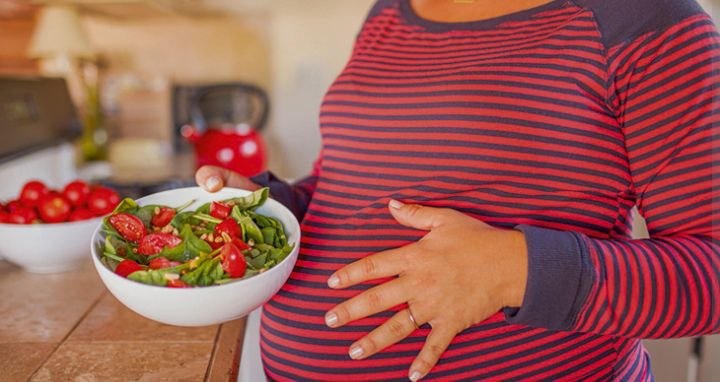
Pregnancy is a special phase filled with change, growth, and responsibility. As exciting as it is, it also requires a more intentional approach to daily habits—especially when it comes to food. From personal experience and observing other mothers, I can confidently say that what you eat during pregnancy goes beyond just satisfying hunger. It directly supports your baby’s development and helps your body cope with the physical demands of carrying a child.
Feeding your body the right nutrients during this time contributes to proper fetal growth, strengthens your own health, and lowers the chances of complications along the way. In this detailed guide, we’ll walk through the key foods every pregnant woman should focus on, along with practical insights to help you maintain a balanced and nourishing diet.
Understanding the Importance of Proper Nutrition During Pregnancy
Before discussing specific food groups, it’s important to grasp why nutrition plays such a vital role during pregnancy.
Everything you consume becomes part of the support system for your baby’s growth. From forming vital organs to developing strong bones, your baby depends entirely on the nutrients you provide. A well-rounded diet doesn’t just benefit the baby—it also helps regulate hormones, supports steady weight gain, and reduces the likelihood of pregnancy-related conditions such as gestational diabetes.
From what I’ve seen, women who pay attention to their diet often feel more energetic and better prepared to handle the physical and emotional demands of pregnancy.
That said, being mindful of food choices is just as important as eating enough. Some foods may carry risks due to contamination or harmful effects, so following medical advice and safety guidelines is essential for a smooth and healthy pregnancy.
Adding Nutrient-Rich Foods to Your Daily Pregnancy Meals
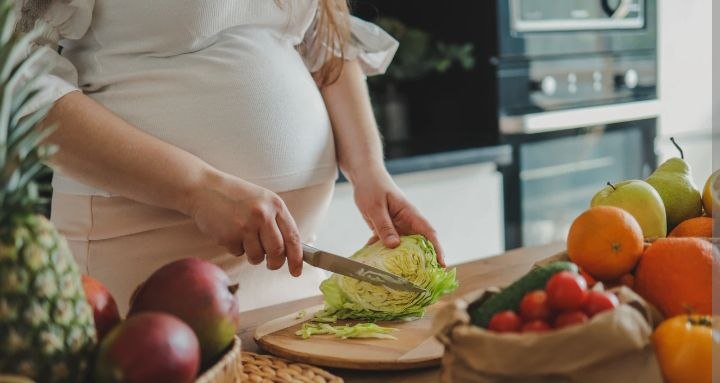
Whole Grains: Reliable Energy from Complex Carbohydrates
Whole grains are a key part of a pregnancy-friendly diet because they provide long-lasting energy. Unlike refined carbohydrates, they release energy gradually, helping to maintain stable blood sugar levels.
Options like brown rice, oats, quinoa, barley, and whole wheat products are rich in fiber, vitamins, and minerals. What makes them especially beneficial is that they retain all parts of the grain, ensuring you get maximum nutritional value.
In my experience, incorporating whole grains is quite simple:
- Start your morning with oatmeal and fresh fruit
- Choose whole wheat bread instead of white bread
- Swap refined grains for brown rice or quinoa
These small adjustments can make your meals more satisfying and nutritionally complete.
Fruits and Vegetables: Packed with Essential Nutrients
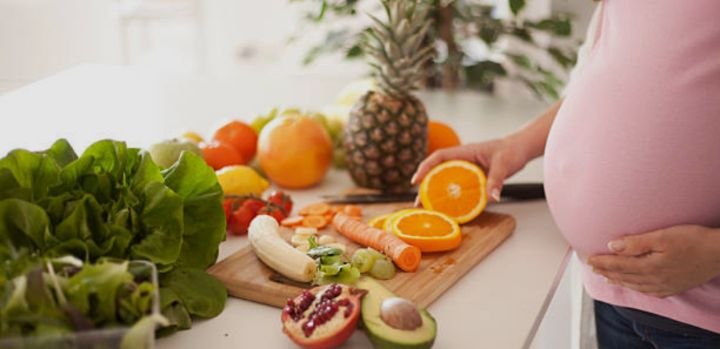
Fruits and vegetables are among the most important components of a healthy pregnancy diet. They provide vital nutrients like folate, vitamin C, potassium, and fiber, all of which support your baby’s growth.
One practical tip I always share is to aim for variety. A colorful plate usually means a wider range of nutrients. Fresh, locally available produce is often the best choice because it tends to be more nutrient-rich.
You don’t have to stick to one method of preparation. Whether you enjoy them raw, steamed, roasted, or lightly cooked, the goal is to include them regularly in your meals.
Lean Protein Sources: Supporting Growth and Development
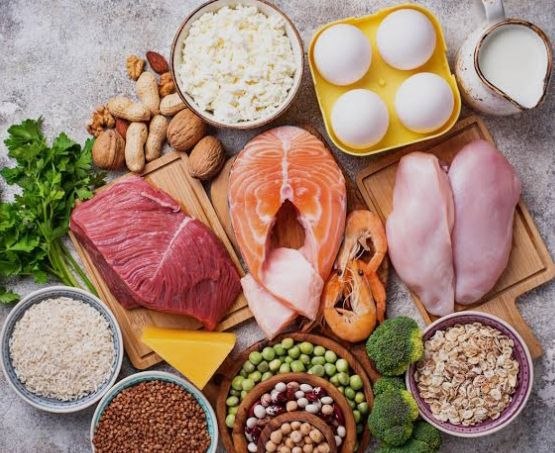
Protein plays a central role during pregnancy, as it helps build and repair tissues while supporting your baby’s development.
Healthy protein options include chicken, fish, eggs, beans, tofu, and dairy products. These foods provide the amino acids needed for forming your baby’s muscles, organs, and cells.
From what I’ve learned, it’s best to include protein in every meal rather than consuming it all at once. For example:
- Eggs for breakfast
- Legumes or chicken for lunch
- Fish or tofu for dinner
Also, always ensure that animal products are thoroughly cooked to reduce the risk of infections.
Dairy Foods: Supporting Bone Strength and Growth
Dairy products are an excellent source of calcium, which is essential for developing your baby’s bones and teeth. They also contribute to your own bone health and help with proper blood function.
Milk, yogurt, and cheese are common options that also provide protein and vitamin D. Personally, I find yogurt especially convenient—it’s easy to eat and pairs well with fruits or nuts.
If you’re unable to tolerate lactose, there are alternatives like lactose-free milk or fortified plant-based options that still offer the nutrients you need.
Healthy Fats: Important for Brain Development
Healthy fats are another essential part of pregnancy nutrition, particularly for your baby’s brain development. Omega-3 fatty acids, in particular, play a major role in this process.
Foods such as avocados, nuts, seeds, and fatty fish like salmon or mackerel are excellent sources. Including small portions of these foods daily can make a noticeable difference.
Simple ways to add them include:
- Snacking on nuts
- Adding avocado to meals
- Including fish occasionally in your diet
Consistency matters more than quantity here.
Easing Pregnancy Discomforts Through Smart Food Choices
Pregnancy can come with several uncomfortable symptoms, but the right diet can help manage many of them effectively.
Managing Nausea and Morning Sickness with Gentle Foods
Nausea is very common, especially in early pregnancy. Eating light, easy-to-digest foods can help reduce discomfort.
Foods like crackers, ginger tea, and peppermint tea are often helpful. Eating smaller portions more frequently instead of large meals can also make a difference.
From experience, avoiding greasy and heavily spiced foods during this time can prevent symptoms from worsening.
Reducing Heartburn and Indigestion Through Diet
As pregnancy progresses, heartburn and indigestion may become more frequent due to internal changes in the body.
Eating smaller meals and avoiding fried or spicy foods can help manage these symptoms. Choosing simple meals with whole grains, lean proteins, and cooked vegetables often makes digestion easier.
Preventing Constipation and Hemorrhoids with Fiber-Rich Foods
Digestive issues like constipation are common during pregnancy, but they can be managed with the right approach.
Including fiber-rich foods such as fruits, vegetables, whole grains, and legumes helps keep digestion regular. Drinking enough water is just as important.
Adding light physical activity, such as walking, can also support better digestion and reduce discomfort.
Key Supplements to Support a Healthy Pregnancy Diet
While a balanced diet provides most nutrients, some supplements may still be necessary to meet increased nutritional demands.
Prenatal Vitamins: Covering Nutritional Gaps
Prenatal vitamins are specially designed for pregnancy and typically contain essential nutrients like folate, iron, calcium, and vitamin D.
In my view, they serve as a helpful backup, especially on days when your diet may not be perfectly balanced.
Omega-3 Supplements: Supporting Brain Growth
Omega-3 fatty acids, especially DHA, are crucial for your baby’s brain development.
While fish is a natural source, supplements or plant-based options like flaxseeds and chia seeds can also be useful. Always consult your healthcare provider before starting any supplement.
Iron and Calcium: Essential Nutrients for Mother and Baby
Iron supports the production of red blood cells and helps prevent anemia, while calcium is vital for strong bones and teeth.
Iron-rich foods include lean meats, beans, and leafy greens. Pairing them with vitamin C-rich foods can improve absorption.
For calcium, dairy products, fortified alternatives, tofu, and green vegetables are excellent choices. Consulting a healthcare professional can help ensure you’re meeting your daily requirements.
Final Thoughts
From everything I’ve learned and experienced, maintaining a healthy pregnancy diet doesn’t have to be overwhelming. It’s about making consistent, thoughtful choices rather than striving for perfection.
Focus on eating a variety of whole, nutrient-rich foods, staying hydrated, and paying attention to how your body responds. Small, steady improvements in your diet can have a lasting impact on both your health and your baby’s development.
Pregnancy is a journey, and the way you nourish yourself during this time truly matters. By prioritizing balanced nutrition, you’re giving your baby a strong and healthy start in life.
Please share your feedback in the comment section below 👇 telling us what you feel about our services