

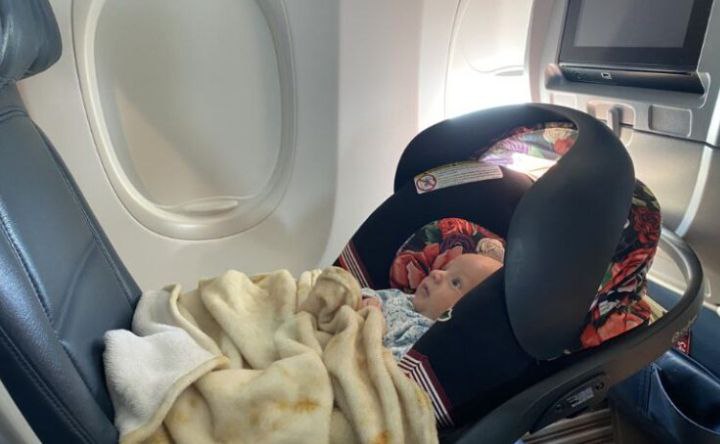
Traveling by air with children can feel like preparing for a small expedition. Between packing snacks, carrying extra clothes, and making sure your child stays comfortable throughout the journey, parents often have a lot on their minds. One question that frequently comes up during travel planning is: “When should I stop using a car seat on flights?”
The truth is that there isn’t a single, simple answer. It’s not just about a specific age or birthday milestone. Instead, the decision depends on several factors—your child’s weight, level of maturity, airline regulations, and most importantly, their safety during the flight.
If you’re planning your baby’s first flight or wondering whether your growing toddler can travel without a car seat, understanding the basics can make the experience less stressful. In this guide, we’ll explore the reasons car seats are recommended on airplanes, the guidelines from aviation safety experts, and the practical signs that your child might be ready to travel without one.
Why Parents Use Car Seats on Airplanes
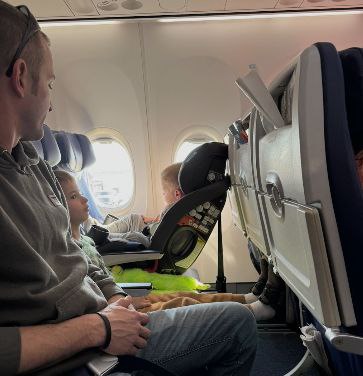
Many parents assume that if their baby or toddler can sit on their lap, there’s no need to bring a car seat onto the plane. Airlines often allow this arrangement for children under two years old, which can make it seem like the safest or easiest option.
However, that assumption can be misleading.
Aviation safety professionals consistently emphasize that the safest place for infants and toddlers during a flight is in a properly secured child restraint system—essentially the same car seat you would use in a vehicle. The reason is simple: during turbulence or unexpected movement, holding a child in your arms may not provide enough protection.
In severe turbulence, even adults can struggle to remain seated properly, and a small child can easily slip from someone’s grip. A properly installed car seat keeps the child secured in one place and minimizes the risk of injury.
Over the years, I’ve spoken with several parents who initially resisted bringing a car seat on flights because it felt inconvenient. But after experiencing turbulence on a trip with a toddler on their lap, many admitted they wished they had used one.
Main Safety Benefits of Using a Car Seat on Flights
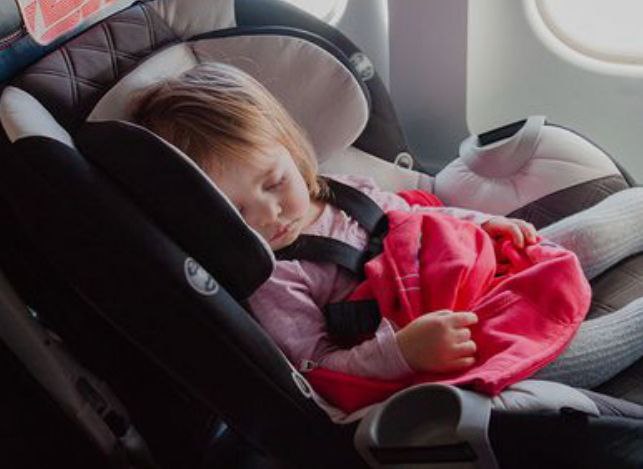
Using a car seat during air travel offers several advantages:
- Protection During Turbulence
Turbulence can happen without warning, even when the sky looks clear. A secured car seat helps keep a child safely restrained during these sudden movements.
- Better Support for Young Bodies
Infants and toddlers have developing necks and spines. A car seat helps support their posture during long periods of sitting.
- Less Stress for Parents
Anyone who has flown with an energetic toddler knows how challenging it can be to keep them still for hours. A car seat creates a safe, contained space where the child can sit comfortably.
- Easier Sleep on Long Flights
Children are often more likely to fall asleep in a familiar car seat than on a standard airplane seat. This can make long flights much easier for everyone involved.
Because of these reasons, safety experts widely recommend using a car seat whenever possible—even when airline rules make it optional.
Understanding the 40-Pound Guideline
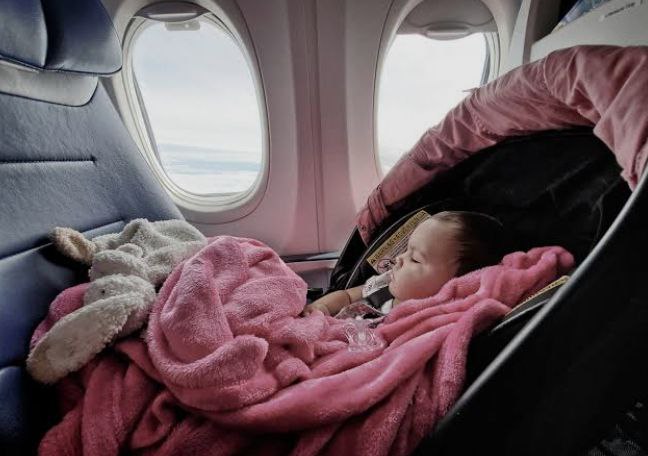
While aviation authorities do not specify a strict age when children must stop using a car seat on flights, there is a commonly referenced weight guideline.
Safety recommendations suggest that children under 40 pounds should ideally remain in a car seat while flying.
This recommendation exists because airplane seat belts are designed for adults and larger children. They are lap belts only, without the shoulder strap found in cars. For smaller toddlers, this type of belt may not fit properly or provide adequate protection.
A 25-pound toddler secured with a regular airplane lap belt simply does not receive the same level of protection as they would in a properly installed child restraint system.
How to Tell If a Car Seat Is Approved for Air Travel
Not every car seat can be used on airplanes, so checking for the proper certification is important.
Look for a label on the car seat that states:
“This restraint is certified for use in motor vehicles and aircraft.”
This sticker is typically located on the side or bottom of the seat. If that label is present, the seat should be approved for airplane use.
Most infant car seats and convertible car seats meet this requirement. However, booster seats generally cannot be used during flights, because they require shoulder belts—which airplane seats do not provide.
Child safety experts also emphasize another important guideline: children should remain rear-facing as long as possible, then transition to forward-facing seats once they exceed the rear-facing limits.
Age and Weight Considerations
Although every child develops differently, parents often find it helpful to look at general age and weight ranges when deciding whether to use a car seat on flights.
Infants (0–2 Years)
Most airlines allow babies under two years old to travel as lap infants, meaning they sit on a parent’s lap during the flight.
However, from a safety perspective, purchasing a separate seat and installing an approved car seat is the safest choice.
Toddlers (2–4 Years)
Many toddlers in this age range still weigh less than 40 pounds, which means using a car seat continues to be the safer option.
At this stage, the car seat also helps keep toddlers from climbing around the cabin or kicking seats during the flight.
Preschoolers (4 Years and Up)
Around this age, many children begin approaching or exceeding the 40-pound range. Some may be ready to transition away from a car seat, depending on their maturity and size.
Still, parents should evaluate readiness carefully rather than relying solely on age.
One thing I’ve personally noticed when traveling with young children is that maturity often matters more than numbers on a scale. Some four-year-olds can sit calmly through a flight, while others still struggle to stay seated for long periods.
Real Signs Your Child May Be Ready to Fly Without a Car Seat
Rather than focusing only on age or weight, it’s often more helpful to look at your child’s overall readiness.
Here are several practical signs that your child might be able to travel safely without a car seat.
Physical Readiness
Your child may be physically ready if:
- The airplane seatbelt fits securely across their upper thighs, not their stomach.
- They can sit upright without constant support.
- They have outgrown their car seat or feel cramped inside it.
If the seatbelt sits too high on the abdomen, that’s usually a sign the child is still too small for safe travel without additional restraint.
Behavioral Readiness
Even if a child is big enough, behavior plays a huge role in flight safety.
A child may be ready to travel without a car seat if they:
- Can follow instructions from parents and flight attendants
- Stay seated for long periods without constant reminders
- Avoid kicking the seat in front of them or climbing around the cabin
Parents know their children best, and this part of the decision often comes down to honest observation.
I’ve seen parents assume their toddler would behave perfectly on a plane, only to spend the entire flight trying to prevent them from standing up or crawling under the seat. In those situations, a car seat would have made the journey much smoother.
Alternatives to Car Seats on Flights
If your child is transitioning away from a car seat but still needs some added security, there are a few alternatives parents consider.
One popular option is a child aviation harness, which attaches to the airplane seat and helps keep the child properly restrained during the flight.
These harness systems are designed specifically for airplanes and can provide extra stability for children who are too large for car seats but still small for standard seatbelts.
The Pros and Cons of Using a Car Seat on a Plane
Before making a final decision, it helps to weigh the advantages and disadvantages.
Advantages
- Provides the highest level of safety for young children
- Helps children sleep more comfortably
- Prevents toddlers from wandering during the flight
- Creates a familiar environment for the child
Disadvantages
- Carrying the seat through the airport can be inconvenient
- Installing it on the plane takes extra time
- It may take up additional space when boarding
From my experience observing families during travel, parents who bring car seats often say the effort is worth it—especially on long flights where comfort and safety become more important.
Final Thoughts
Deciding when to stop using a car seat on flights is rarely a one-size-fits-all decision. While guidelines like the 40-pound recommendation can help, the best choice ultimately depends on your child’s size, maturity, and ability to sit safely with a standard seatbelt.
For infants and toddlers, using an approved car seat is widely considered the safest option during air travel. As children grow older and heavier, parents can begin evaluating whether they are ready to transition away from it.
When in doubt, erring on the side of safety is usually the best approach. Flying can be unpredictable, and having your child properly secured provides peace of mind throughout the journey.
In the end, the goal isn’t just convenience—it’s ensuring that every member of the family arrives safely at your destination.
Please share your feedback in the comment section below 👇 telling us what you feel about our services