

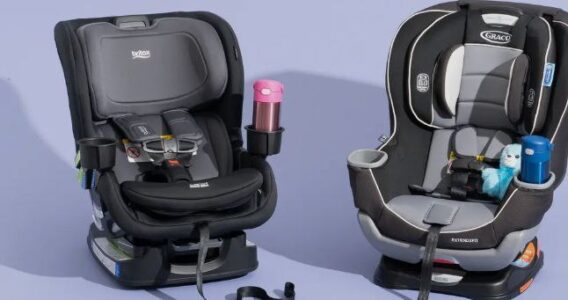
As a parent, few purchases feel as important as choosing the right car seat. It’s not just another baby item you toss into your shopping cart. It’s the one thing standing between your child and the unexpected. Safety comes first, of course — but comfort, convenience, and practicality matter too.
When I was trying to decide what to buy, I kept going back and forth between two options: travel car seats and convertible car seats. Both promise safety. Both look reliable. But they serve different purposes. If you’re stuck choosing between the two, let me walk you through it in a way that actually makes sense — without the marketing fluff.
What Exactly Is a Travel Car Seat?
A travel car seat is built for mobility. It’s lightweight, compact, and designed with parents on the move in mind. If you’re flying often, hopping in taxis, or switching cars frequently, this type of seat makes life much easier.
Most travel car seats are ideal for infants and toddlers. They’re easy to carry through airports, quick to install, and simple to remove. I’ve personally found that when you’re juggling luggage, snacks, and a restless toddler, shaving off even a few pounds of weight makes a huge difference.
They usually include practical features like removable covers and adjustable harness systems. For short trips, weekend getaways, or vacations, they’re incredibly convenient. You don’t feel like you’re dragging half your house behind you.
But convenience always comes with trade-offs.
What Makes a Convertible Car Seat Different?
A convertible car seat is the long-game option. It’s designed to grow with your child, transitioning from rear-facing to forward-facing as they get older. Instead of replacing seats every few years, you invest once and use it for several stages of development.
These seats are heavier and bulkier — no sugarcoating that. The first time I lifted one, I understood why most parents leave them installed permanently. But that extra weight often means sturdier construction and enhanced safety features.
Convertible seats typically come with extended harness systems, adjustable headrests, multiple recline positions, and reinforced side-impact protection. They’re built for durability and long-term use, often lasting up to 7–10 years.
If you prefer stability and longevity over portability, this option starts to make more sense.
The Real Differences That Matter
When comparing travel and convertible car seats, the biggest contrasts show up in three areas: portability, protection, and lifespan.
Portability and Weight
Travel car seats usually weigh between 5–10 pounds. Convertible seats can weigh anywhere from 15–30 pounds. That’s a major difference if you’re navigating airports or constantly switching vehicles.
From experience, if you travel frequently, the lighter option saves your back and your patience. But if the seat mostly stays in one car, the heavier build of a convertible seat doesn’t feel like a disadvantage.
Safety and Protection
Both seat types meet safety standards. However, convertible car seats often include more advanced protection systems like enhanced side-impact shielding, energy-absorbing foam, and reinforced 5-point harnesses.
Travel car seats are safe — but they’re designed for convenience first. For everyday commuting or long highway drives, the sturdier build of a convertible seat can offer extra peace of mind.
Durability and Long-Term Value
Convertible seats clearly win in longevity. They’re built to last through multiple growth stages. Travel seats, on the other hand, are often short-term solutions.
If you’re thinking about cost over time, a convertible seat can actually save money since you won’t need to upgrade as quickly.
Age Considerations
Travel car seats typically work well for children from birth up to around 3–4 years old, depending on weight limits. Convertible seats usually cover a broader age range, often from infancy through 7–8 years old. If your child is transitioning from baby to toddler stage, a convertible seat may offer better flexibility.
What About Comfort?
Comfort matters more than we sometimes admit. For quick errands, both seat types are fine. But for long road trips, convertible car seats usually offer better padding, deeper recline angles, and stronger neck and back support.
I’ve learned that a comfortable child equals a quieter car ride. And that alone can influence your decision.
Cost: Upfront vs Long-Term
Convertible car seats generally cost more initially. But since they last longer, the cost spreads out over years of use.
Travel car seats are usually cheaper at the start. If you only need something for occasional travel, that lower price tag might be all you need.
So, Which One Is Actually Better?
There’s no universal winner — only what fits your lifestyle.
If you fly often, rely on rideshares, or need something easy to carry, a travel car seat makes daily life simpler.
If you want one solid, reliable seat that stays installed and grows with your child, a convertible car seat is the smarter long-term investment.
From my own experience, families who travel frequently sometimes end up owning both — a convertible seat for daily use and a lightweight travel seat for trips. It’s not always necessary, but it can be the most practical setup.
At the end of the day, the “better” option is the one that aligns with how your family actually lives. Think about your travel habits, your child’s age, and how long you want the seat to last. Once you’re honest about those factors, the right choice becomes much clearer.
Please share your feedback in the comment section below 👇 telling us what you feel about our services